|
It's an annual summertime phenomenon. Armed
with visions of worry-free deck parties and poolside gatherings,
shoppers everywhere flock to housewares stores in search of
the perfect plastic tableware. And what dazzling selections
await! Styles abound, from clear looks to colorful tints,
from everyday shapes to themed designs. There is undoubtedly
something for everyone when it comes to plastic tableware.
Or is there?
Within a few months, most "worry-free" styles
create worries indeed. Even after a just few washings, top-rack
dishwasher-safe wares often display crackly lines, vibrant
colors cloud over and fanciful shapes start to chip and wear.
And those labeled "unbreakable" often crack or break when
they meet tile or concrete. But there is hope!
Smart shoppers actually can find seasonal
plastic tableware that outlasts the season. The keys to shopping
success are realizing that all plastics are not created equal
and knowing what to look for to meet particular expectations.
Non-disposable plastic tableware generally
is made from one of six FDA-approved plastics; acrylic, styrene,
polypropylene, acrylic blends (SAN, NAS), polycarbonate (Lexan®),
and melamine (MelMac®). They're rarely marked by type, but
each has its own characteristics and identifying these can
help shoppers buy the products that best meet their needs.

Acrylic and Styrene:
These least expensive glass-like plastics are the most abundant
in stores. Because of low production costs, products can be
found in myriad colors, textures and designs. Styrene usually
is labeled "top rack dishwasher-safe" while acrylic products
often recommend hand washing. Eventually, dishwasher use will
cause both styrene and acrylic to craze and cloud. Though
both are shatterproof, styrene tends to crack or break more
readily than acrylic and neither is truly unbreakable. Dishes
made from these plastics should not be used in the microwave.
Polypropylene:
Inexpensive polypropylene products are abundant every spring
and summer, usually in simple solid or translucent designs.
A true workhorse, virtually unbreakable polypropylene can
be the most "plastic-y" in look and feel, but is a die-hard
choice for heavy outdoor use. It is safe for the dishwasher
and some brands, like Sea Glass, are microwave-approved.
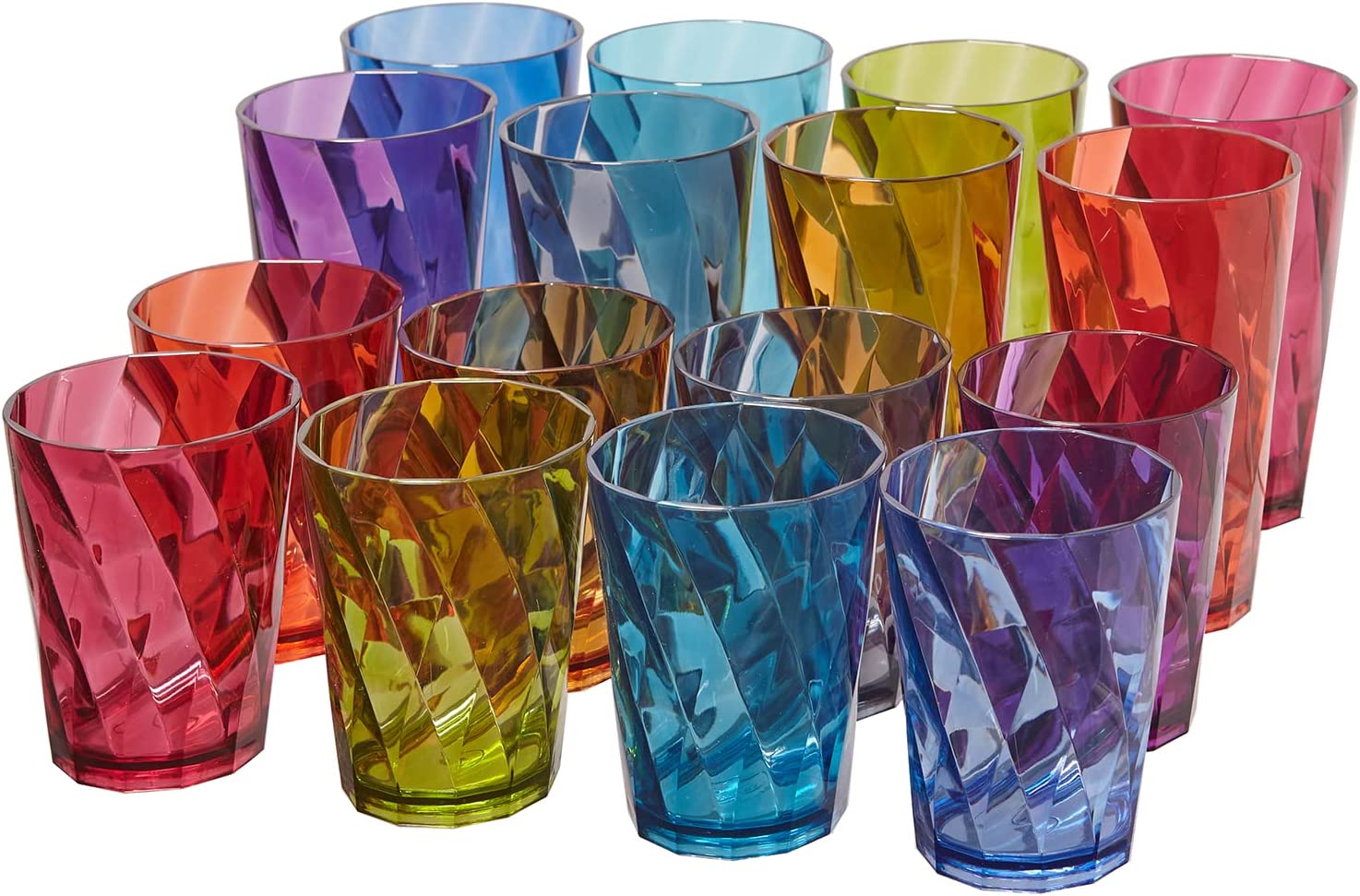
Acrylic Blends (SAN, NAS):
Extra-durable acrylic blends combine the best properties of
acrylic and styrene. These products are typically rigid, resistant
to scratches and breakage, dishwasher-safe, and sometimes
microwave-reheat safe. Products can be glasslike, textured
or tinted, and their long-lasting good looks make them popular
in the demanding foodservice industry. A few companies do
make lines for the consumer market and this number is growing.
Generally priced a bit higher than acrylic, styrene or polypropylene,
acrylic blends are usually found in specialty stores. Look
for the Bentley (ColorWare) and Retro plastic drinkware brands
for colorful choices in acrylic blends.
Polycarbonate:
Virtually unbreakable, dishwasher-safe and microwave reheat-safe
polycarbonate is the same material used to make bulletproof
glass. Its durability and exceptional clarity create good-looking,
reliable products that can be enjoyed season after season.
Polycarbonate is more expensive to produce than other plastics,
so it usually does not appear in a variety of trendy styles.
Several everyday styles and even a few tints and solid colors
can be found in specialty stores and through mail-order companies.
Identifying polycarbonate products is easy since manufacturers
generally label products as such to justify the higher price
tag.
***Note on dishwasher use: While polycarbonate tableware
is commercial dishwasher-safe and won't cloud and craze like
acrylic glasses, EnergyStar-rated residential dishwashers
(those that heat the water) can exceed commercial temperatures
and cause damage to plastics, particularly polycarbonate tumblers
with thick bottoms. Delicate/lower heat cycles are recommended
to prevent damage.
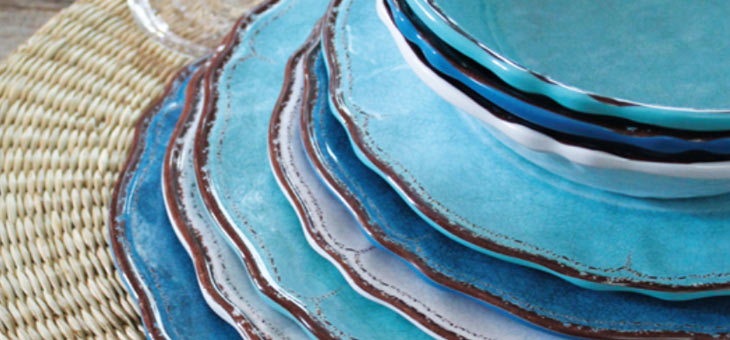
Melamine:
Long-lasting melamine is the most common plastic used to make
unbreakable dishes. Melamine is always solid in color and
can be found in a wide variety of styles, weights and designs.
Melamine dishes are the most resistant to scratches of any
plastic and are dishwasher-safe, but cannot be used in the
microwave since they absorb heat and can blister, crack and
warp.
Whatever the need, stylish poolside ware,
dishes for the RV, or durable family-friendly drinkware, shoppers
should balance look, price and care before buying. If long-lasting
worry-free use is the goal, then wares made from polycarbonate,
acrylic blends, melamine and polypropylene may be the best
choice. But if trendy styles are the desire, hot designs in
acrylic or styrene may fit the bill. Ultimately, shoppers
who know what's available - and what to expect from their
purchase - will be pleased with buying decisions that best
fit their needs.
|
Testers' Corner
Certain plastics are definitely better for particular uses.
Here's a quick look at which types of plastics are best suited
to different needs.
Dishwasher Use
Durability & Break Resistance
Scratch Resistance
Microwavable Dishes
Variety of Styles
Dishwasher Use
The best plastics for use in the dishwasher are polycarbonate,
melamine and blends like SAN. BUT if your dishwasher has an
Energy-Star rating, then it heats the water used to wash dishes.
Use a regular cycle and be sure your home's water heater is
between 110 and 115 degrees. You'll save energy and avoid
damaging plastic tableware.
Unbreakable/Break Resistant
Polycarbonate and polypropylene are both virtually unbreakable,
it practically bounces if dropped. Next in durability is melamine
and plastic blends, like SAN. These may occasionally break
or chip if dropped, but are generally very durable for everyday
use.
Scratch Resistant
Melamine is hands down the most scratch-resistant plastic
dinnerware. Melamine dishes are best for everyday use and
use with forks and knives. Knife use will scratch plates in
any other plastic. In drinkware, plastic blends like SAN tend
to be more scratch-resistant since they often have a texture.
*Polycarbonate can scratch, but a bad scratch can actually
be buffed off using Brasso metal polish.
Microwavable Dishes
Certain plastics are microwave reheat-safe, meaning that the
plastic itself does not heat up and is safe to reheat foods
and beverages, generally up to two minutes. Polycarbonate,
polypropylene and SAN plastics generally are microwave reheat-safe.
For extended microwave cooking, do look for actual microwave-safe
cookware, like MiracleWare, for better resistance to higher
heat and longer cooking times.
Style and Design Variety
Acrylic plastic tableware and drinkware offers the greatest
variety in styling and specialty looks. Acrylic is a less-expensive
plastic, so it is often found in a wide variety of seasonal
styles and specialty motifs, but it's not a durable or long-lasting
as other plastics. It's made - and often priced -to be replaced
after a few seasons' use. Other longer-lasting plastics do
offer several color and style varieties, but are typically
designed for everyday use and general appeal.
|